

Piano and wellbeing - why the relationship runs so deep
I've been playing the piano since I was a child, and for as long as I can remember, it has been the thing that brings me back to myself. Not just playing it - listening to it too. There's something about soft piano music that just works on you differently to anything else. It's hard to explain until you've felt it, and then once you have, you just know.
But it turns out there's actually a reason for that. And the more I've learned about it, the more I've come to understand why rest. felt so necessary to make.
The science bit - and I promise I'll keep it simple
Studies have shown that slow-tempo piano music - particularly around 60 beats per minute - can actually synchronise with your resting heart rate. Your body starts to follow it. Your stress response slows down. Cortisol, which is essentially the stress hormone your body produces when you're anxious or overwhelmed, measurably reduces within as little as 30 minutes of listening to calming music. There's also research showing that playing the piano reduces stress more effectively than almost any other creative activity - something I've always felt instinctively but never really had the words for.
So when people tell me that rest. helps them fall asleep, or that they put it on when they're anxious, or that it just makes a difficult day feel a little easier - that's not just a nice thing to say. There's something real happening there.
Ludovico Einaudi and the moment that really stayed with me
I've been a fan of Ludovico Einaudi for years. He's one of the reasons I do what I do, honestly. His music sits right at the intersection of classical and contemporary in a way that just feels completely natural - melodic, emotional, and completely accessible whether you know anything about music or not.
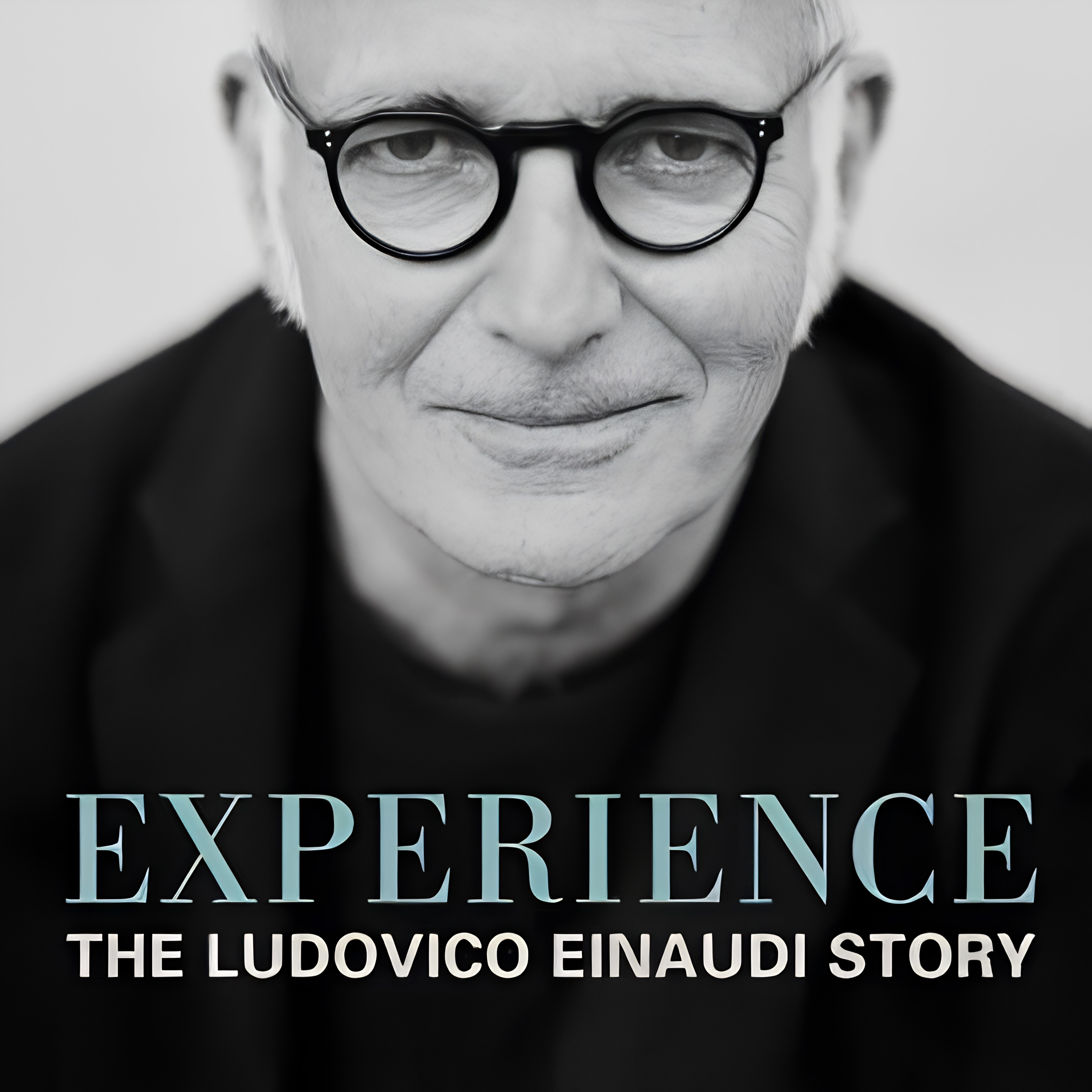
A while ago I came across his podcast - Experience: The Ludovico Einaudi Story - a three-part series available on YouTube and Spotify. I really recommend it. One of the things that came up in it was how his music had been used in a therapeutic setting with people who had been through genuinely traumatic experiences. And what they found was remarkable - that when his music was played during those sessions, stress levels came down significantly. It was measurable. Scientific. Not anecdotal.
I remember sitting with that for a while after I heard it. Because it confirmed something I already believed but couldn't quite prove - that this kind of music does something real to people.
What a felt piano actually is - and why it matters
The felt piano is something I want to explain properly, because I think once you understand it, you understand rest. a little better too.
A felt piano isn't a different instrument. It's an acoustic piano that has had a strip of felt placed between the hammers and the strings. What that does is soften the attack - that initial brightness you get when a note is struck - and absorbs a lot of the high-frequency overtones. What's left is something warmer, quieter, more intimate. Like the piano is whispering rather than speaking.
On an upright piano there's often a practice pedal that does exactly this - it's sometimes called the celeste pedal - and composers like Nils Frahm helped bring it into the modern classical world in a way that became genuinely influential. It has historical roots too - Beethoven and Mozart used similar softening techniques - but it's in contemporary music where it has really found its moment.
The reason it works so well for wellbeing is simple. It's not invasive. It doesn't compete with your thoughts or demand your attention. It just sits quietly in the background and holds the space. That's exactly what I wanted rest. to do.
Gibran Alcocer and the slowed reverb movement
I'd also be doing a disservice not to mention Gibran Alcocer - a young Mexican composer who has quietly become one of the most listened-to piano artists in the world, largely through the slowed and reverb versions of his pieces that people started sharing for sleep and relaxation. His tracks - pieces like Idea 22, Idea 10 - have an extraordinary quality to them, and when they're slowed down and given that soft reverb wash, they become something genuinely extraordinary for rest and sleep. The streams on those versions are quite something.
It's part of what inspired me to create the rest. remixes - our own slowed and reverb editions, tuned down to 432hz, which is a frequency that research suggests is particularly calming to the nervous system. It's a small thing, but I think it makes a difference.
Why all of this matters to rest.
I'm not a scientist or a therapist. I'm a pianist and composer from Hampshire who struggled with sleep for years and found, almost by accident, that his music was helping people in ways he never expected.
But the more I've learned about why piano music and wellbeing are so deeply connected, the more seriously I've taken what rest. can be. It's not just background music. It's not just pretty. It's something that - if you let it - can genuinely help you slow down, breathe out, and find a little more rest in your day.
That's all I've ever wanted it to do.
You can explore all of the rest. volumes by clicking here, and if you're looking for something to help you rest a little more, shop rest. has a collection of digital art prints and wellbeing worksheets designed with exactly that in mind.
Lewis x

rest. by Lewis Bolland is a series of calming felt piano music releases written for sleep, relaxation, studying, and the quiet moments in between. If you enjoy modern classical and ambient piano music from artists like Ludovico Einaudi, Gibran Alcocer, Max Ricter, and Alexis Ffrench, rest. was made with you in mind.
Whether you are looking for piano music to help with insomnia, anxiety, focus, or just a calmer day, all volumes are available to stream now on Spotify and Apple Music. Shop rest also has a growing collection of digital art prints and wellbeing worksheets designed to help you slow down and rest a little more.
You can listen to all of the rest. volumes by clicking here.
explore our rest. spotify playlists
I believe that rest is a practice that shifts depending on where you are and what you need. Because of this, I’ve curated a collection of playlists on our Spotify profile - each designed to accompany a different part of rest for your day.
Follow our Spotify profile hereto find your rest soundtrack.